Alzheimer’s disease study notes
Background notes on the MRI setting, disease staging, and interpretive limits around the Alzheimer’s disease classification study.
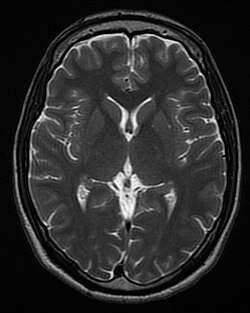
Background notes help clarify what the model is being asked to distinguish
This entry exists to preserve supporting context around the MRI classification task: the meaning of the disease stages, the role of the labels, and the framing needed to read the modeling choices responsibly.
Without that context, a medical imaging workflow can collapse into generic machine-learning language far too quickly.
The notes support interpretation rather than replace it
The point is not to restate the project page. It is to preserve the background assumptions that make the project easier to judge.
Medical imaging studies benefit from preserving more than code and outputs. They also need background context on the condition being studied, the staging logic that shapes the labels, and the practical meaning of the categories used during classification. Keeping that material close to the project makes the modeling choices easier to interpret.
For a study like this, the most useful background questions are not decorative. They include what each class actually represents, how clinically or anatomically distinct those classes are likely to appear in MRI data, how the dataset labels were produced, and what the images can reasonably support without auxiliary clinical context. Those questions shape how seriously later evaluation results should be taken.
Background context helps interpretation, but it does not validate the study
Context helps, but it does not rescue a model if the study logic is poor.
Supporting notes like this are valuable because they preserve medical and experimental context around the classification task. They help explain what the categories mean, why the data matters, and what questions should remain in view when reading the modeling results.
At the same time, background material should not be mistaken for validation. It improves interpretation, but it does not by itself answer harder questions about dataset adequacy, subject-level splitting, scanner variability, generalization, or clinical relevance. That distinction is worth keeping explicit, especially in medical machine-learning work where polished metrics can otherwise outrun what the study design really supports.